
What really matters when choosing or replacing rail clips

At Inform Rail, we regularly review drawings that specify an existing rail clip for crane rail, a rail clip that’s no longer manufactured, or the two classic words: “or equivalent.”
But what does it really mean for you when pricing a project, replacing rail clips or designing a new crane rail system?

Let’s break it down.

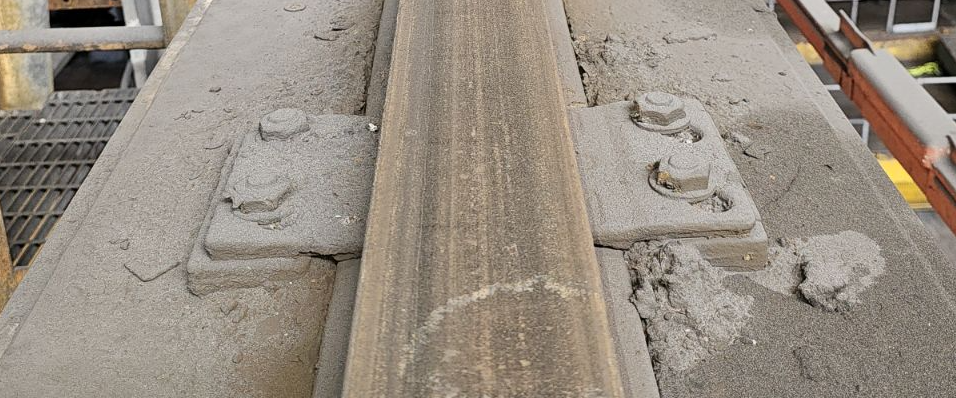
Old crane rail clips used for securing crane rails on heavy‑duty industrial tracks
An example of old crane rail clips that Inform Rail was asked to identify using our extensive historical product sheet library.
What Brands of Crane Rail Clips Exist?
Widely recognised brands such as Grantrex and Gantrail are manufactured by Gantry Railing Limited, a UK‑headquartered company with a strong global presence. Molyneux rail clips, located in the United States, are also well known for their durability and reliability in heavy‑duty applications. Bemo Rail, based in the Netherlands, has supplied some of the world’s largest container terminals for many years. They have a wide range of  rail clips designed to suit several rail systems.
 
Inform Rail is able to source all types of rail clips available on the market.

Today, most manufacturing occurs in China and Malaysia and these rail clips, and other brands on the market, are engineered to:

  • Secure crane rails to their support structure
  • Allow controlled lateral movement caused by thermal expansion, wheel forces or operational loads
  • Reduce wear and extend the life of the overall rail system

While Grantrex, Gantrail, Molyneux and Bemo are commonly known, numerous other manufacturers produce clips with similar form, function and load performance.

Regardless of brand, the primary purpose remains the same:
Hold the rail securely while allowing movement and reducing stress on the rail and structure.

 
How to Verify the Clips You Have
At Inform Rail, we specialise in identifying legacy and hard‑to‑find clip types. Feel free to send us photos of your existing clips – we’re happy to help!
 

Most crane rail clips, no matter the manufacturer, include identifying marks, often stamped or cast, such as:

  • The manufacturer’s name or logo
  • A model or series number

These markings are usually found on the cam or body of the clip.

For accurate comparison or replacement, product data sheets remain the most reliable source for:

  • Load capacity
  • Material specifications
  • Installation requirements
  • Performance characteristics

We have an extensive archive of historical product data sheets, enabling us to assist with identifying older or discontinued clip types.

 
Replacing Existing Clips: Should You Use the Same Ones?

Not always.

While replacing your clips with identical models might feel like the simplest choice, it may not be the best or most compliant one.

Your current installation may:

  • No longer meet modern design standards
  • Have been originally built with non-optimised components
  • Use clips that are now obsolete or outperformed by newer designs

Before replacing any clips, it’s important to review:

  • Original design intent – does it still apply to current operations?
  • Changes in operational load or crane frequency
  • Rail alignment issues or new wear patterns
  • Why the existing clips failed or wore out

Updated product alternatives may offer better:

  • Load performance
  • Adjustment capability
  • Installation efficiency
  • Long-term durability

Giving Inform Rail a call, engaging an engineer or reviewing the original design documentation helps to ensure replacement clips are fit for purpose and align with current standards and site conditions.

More Posts

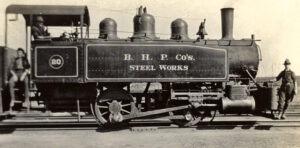
bhp rail australia

47kg and 53kg Rail in Australia: From Imperial Roots to Modern Networks

If you work in Australian railway engineering, maintenance, or procurement, the designations 47kg and 53kg are immediately familiar — not just as dimensions, but as historical markers. These two mid-weight rail profiles, trace a lineage that runs from the imperial steelworks era, through the metrication of the 1970s and 80s, right up to modern network approvals.
rail rollers

How is rail manufactured? Let’s look at the rail rolling process

Rails are the backbone of every rail network. Designed to carry extreme loads over millions of wheel passes, rail must be manufactured with a high degree of precision to ensure safety, durability and long service life.

From heating and rolling through to straightening and inspection, the rail manufacturing process combines metallurgy, mechanical engineering and strict quality control. This article explains how rail is manufactured, step by step, and why each stage is critical to performance in service.
60lb rail

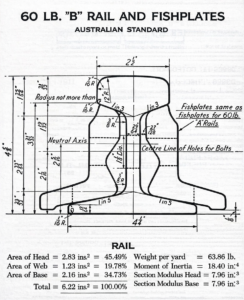
How should I replace BHP 60lb Rail or 31kg Rail?

When maintaining or upgrading industrial tracks, slipways, or crane runways, a major challenge is sourcing replacements for rail sections that are no longer manufactured. This includes BHP 60 lb B rail and the later 31 kg rail profile. Both have been out of production for decades, which means operators today need a reliable, modern alternative.
block rail flat bar rail

What is Block Rail?

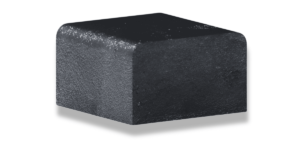
Block Rail, or flat bar crane rail, is a simple yet essential component in crane rail systems throughout Australia. It supports smooth reliable travel for trolleys and overhead cranes in workshops warehouses and industrial facilities.

Scroll to Top