
Crane Rail
Inform Rail supplies crane rail from A45 to A120 for ports, overhead crane runways and heavy industrial projects — Brisbane and Cairns stock, matched fastening systems available.
Crane Rail Supplied Across Australia
Inform Rail supplies crane rail for ports, overhead crane runways, gantry crane systems and heavy industrial applications across Australia, with stock held in Brisbane and Cairns for fast dispatch nationwide.
We source the most commonly specified profiles from A45 through to A120 from qualified international mills. CR73, 86kg, MRS87A and MRS73 crane rail are also available for stacker reclaimers, steelworks and port applications. Other profiles are available on request. Matched fastening systems including clips, pads, fishplates and sole plates can be supplied to suit each profile.
Whether you're installing a new crane runway, upgrading an existing system or replacing worn rail, we can help with the right profile and complete supply support.
Crane Rail at a Glance
Crane Rail Profiles
Select a profile for technical details, dimensions and compatible fastening systems.
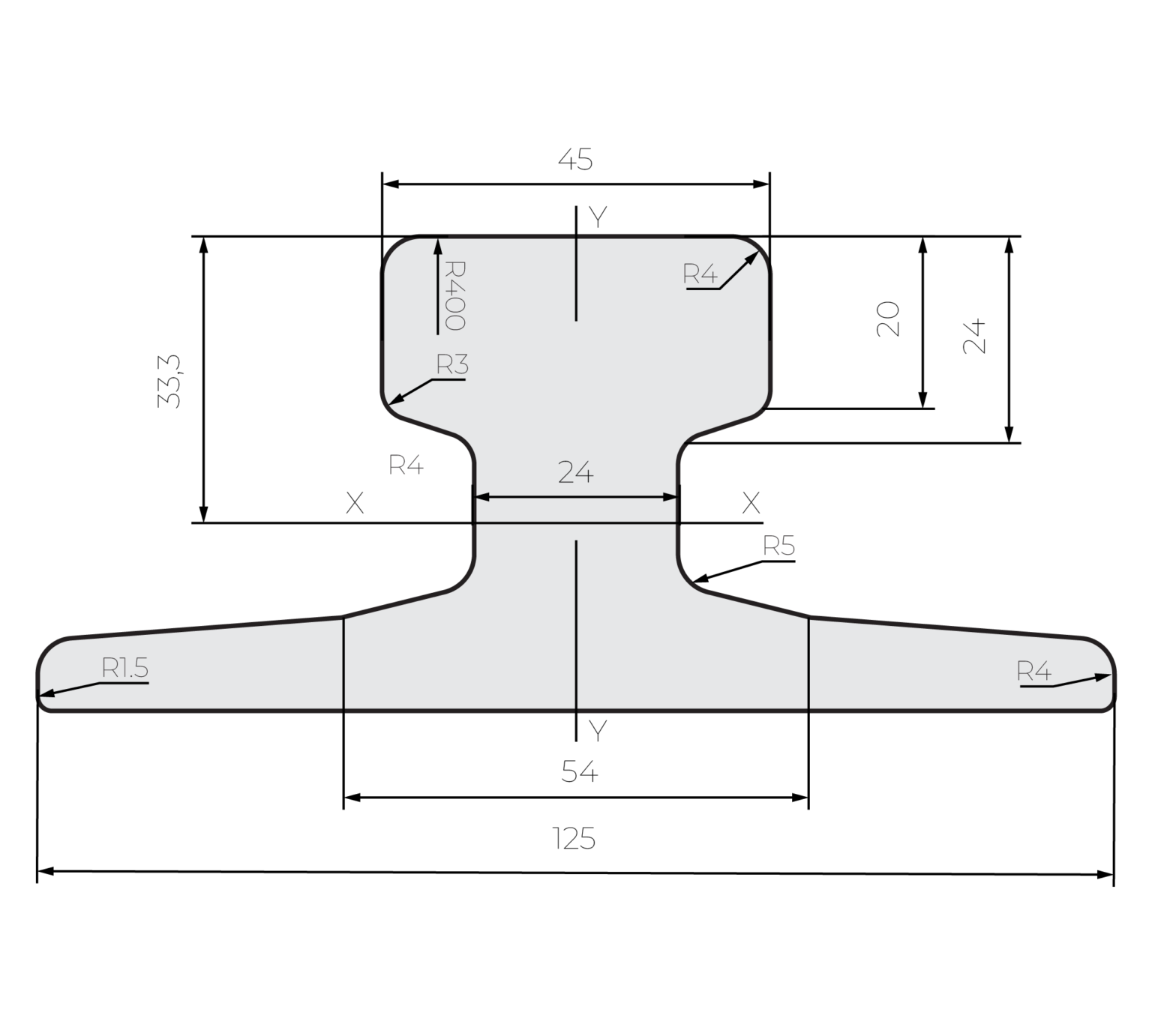
Compact crane rail for light overhead crane runways and low-load industrial applications.
View A45 →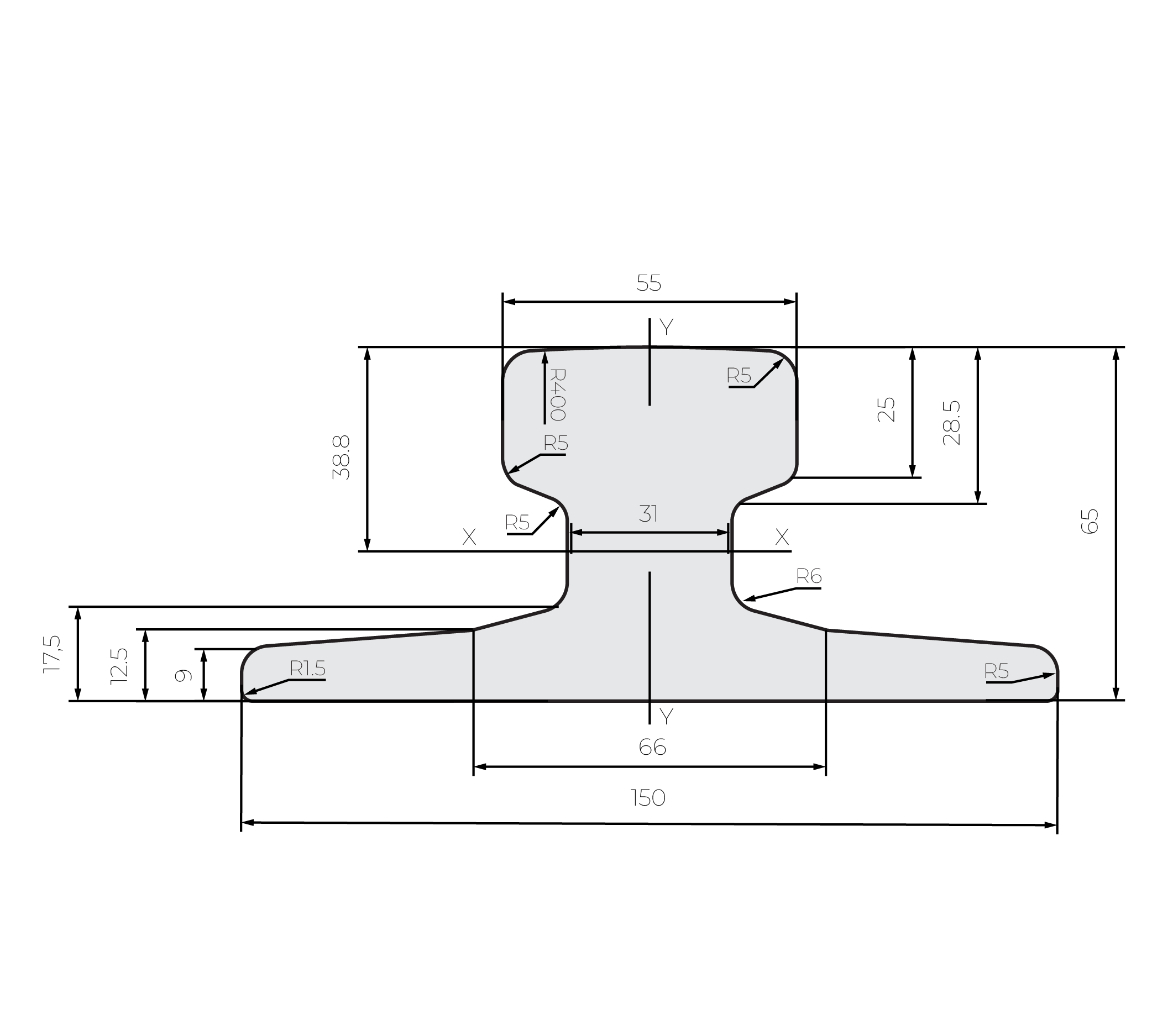
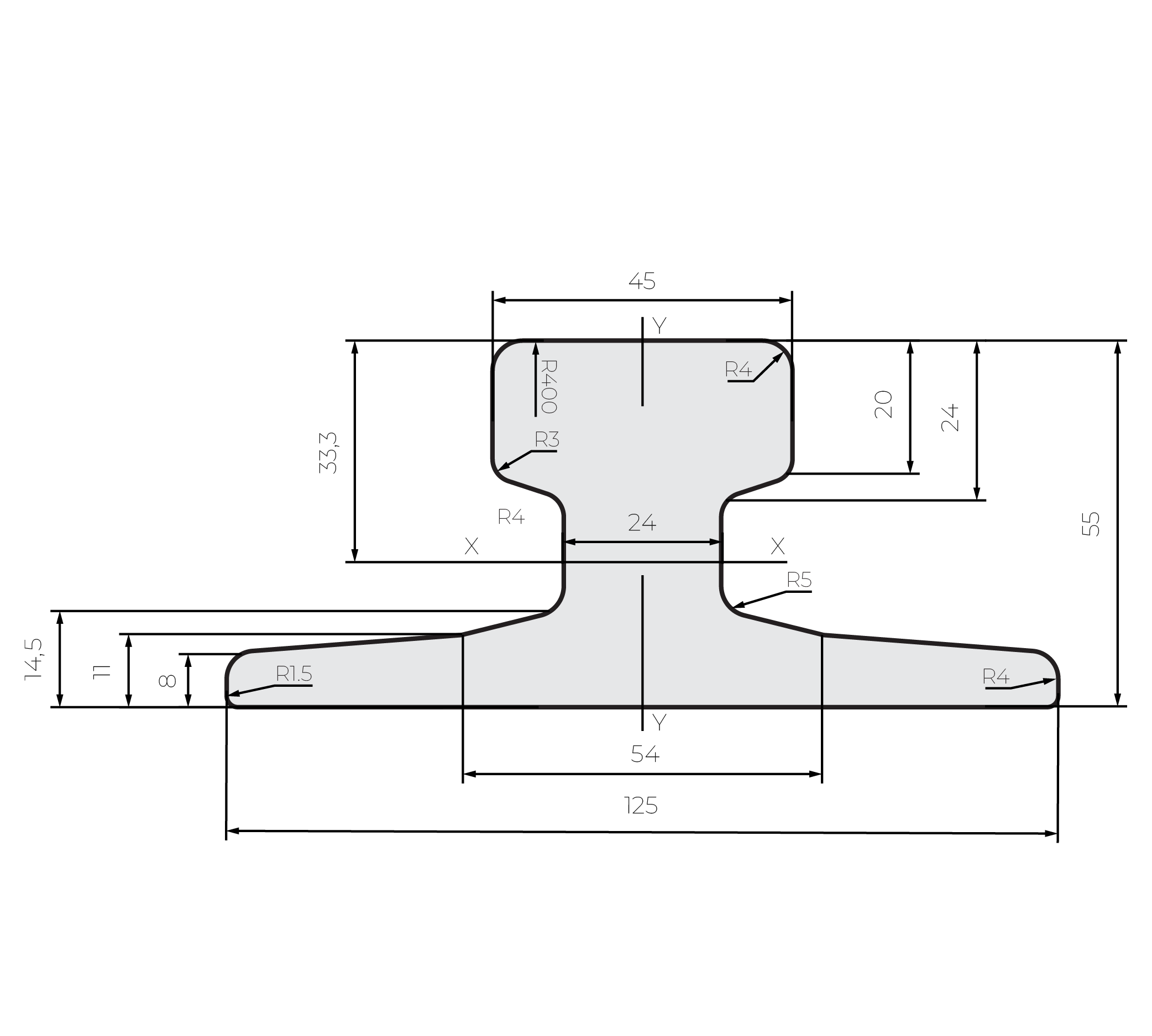
Common upgrade and new installation profile for light to medium duty overhead crane systems.
View A55 →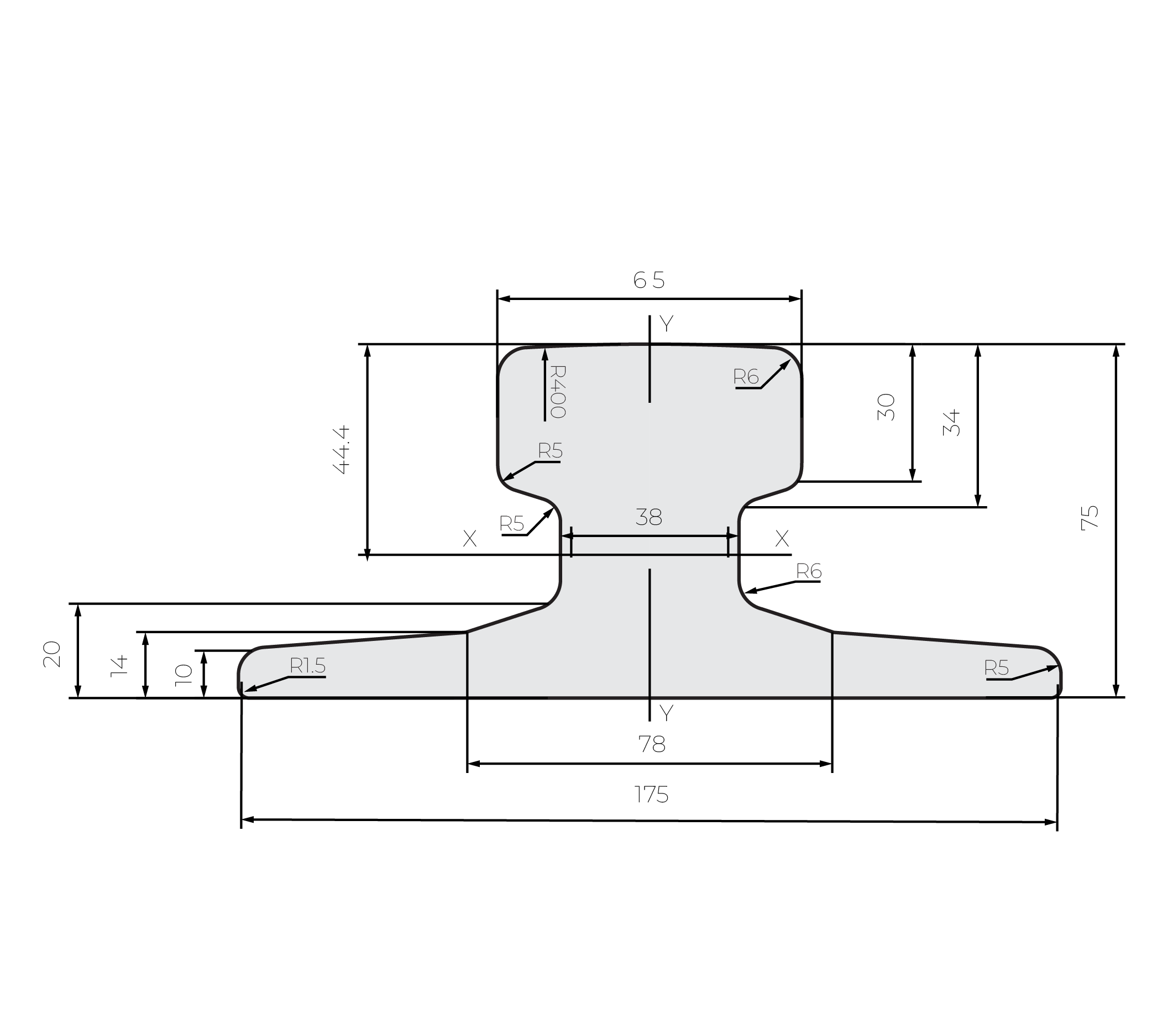
Higher section profile for medium duty industrial crane runways and warehousing applications.
View A65 →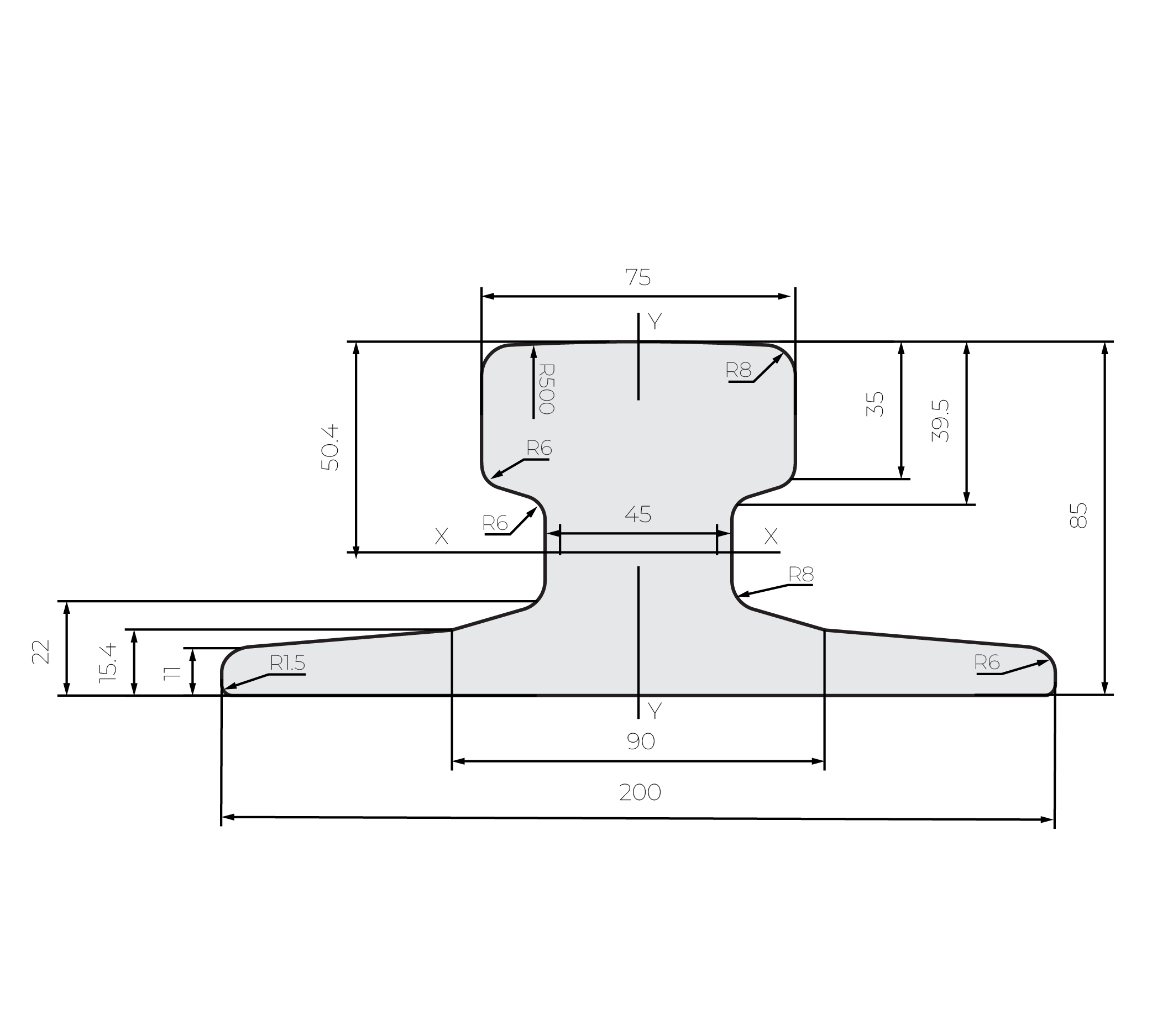
A commonly specified crane rail profile in Australia, suited to medium to heavy industrial overhead crane runways.
View A75 →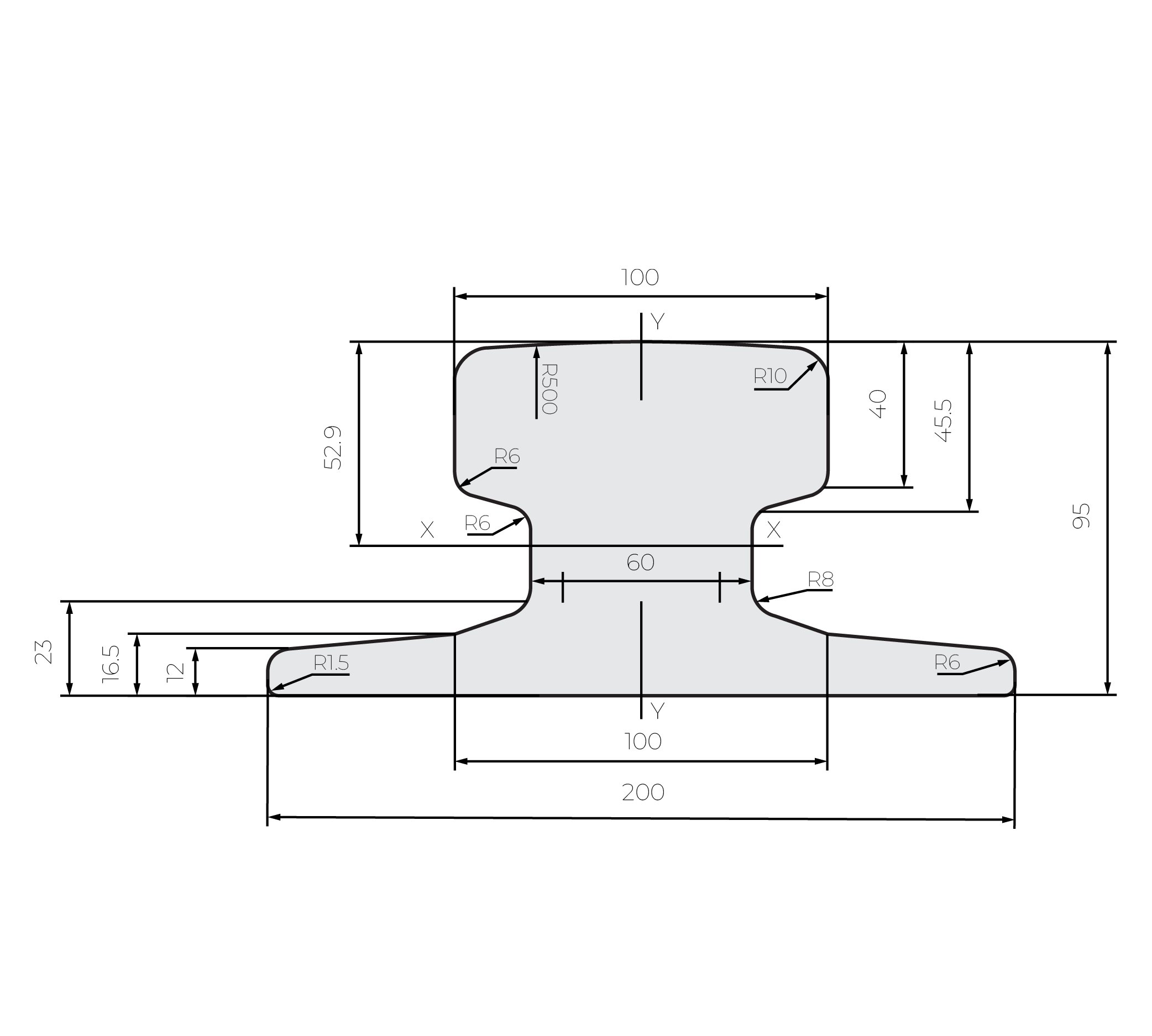
Heavy duty crane rail for high-load runway systems, port equipment and demanding industrial environments.
View A100 →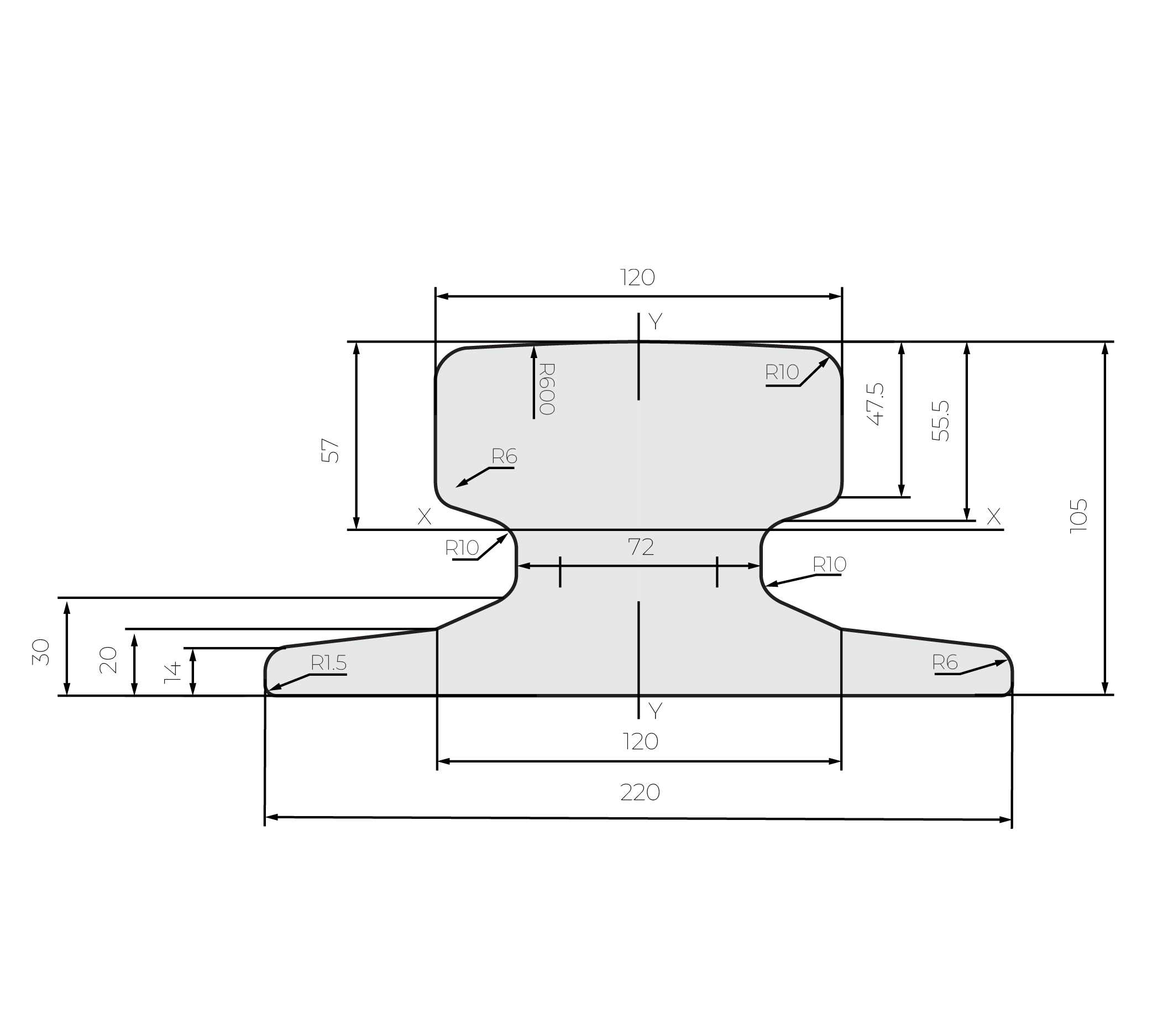
Large crane rail profile for very heavy duty applications including port infrastructure and high-capacity industrial cranes.
View A120 →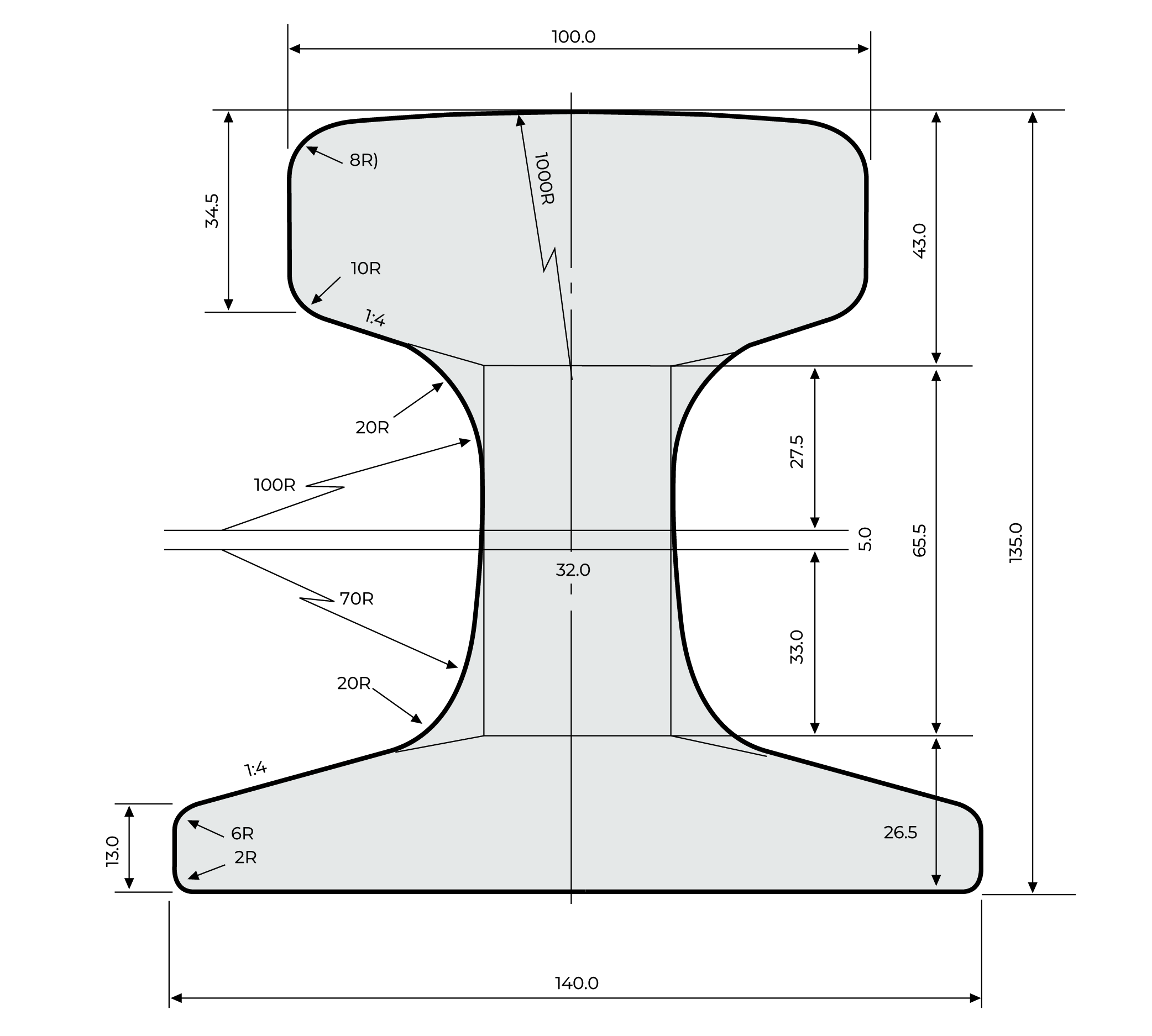
CR73 crane rail for stacker reclaimers, steelworks cranes, port and wharf cranes and heavy mining applications. 73.30 kg/m.
View CR73 →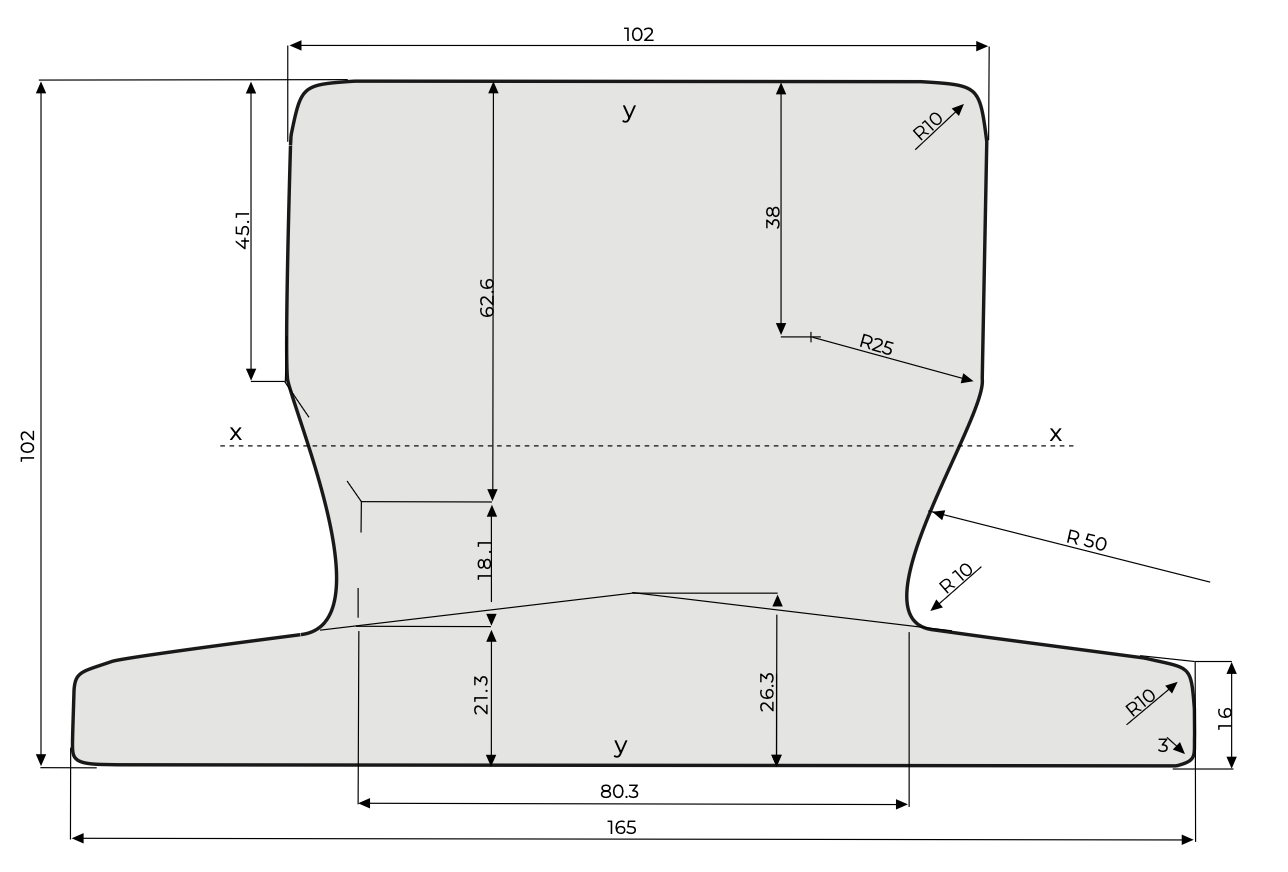
86kg crane rail for ship loaders and heavy duty port, steelworks and mining crane applications requiring a high-capacity rail section.
View 86kg →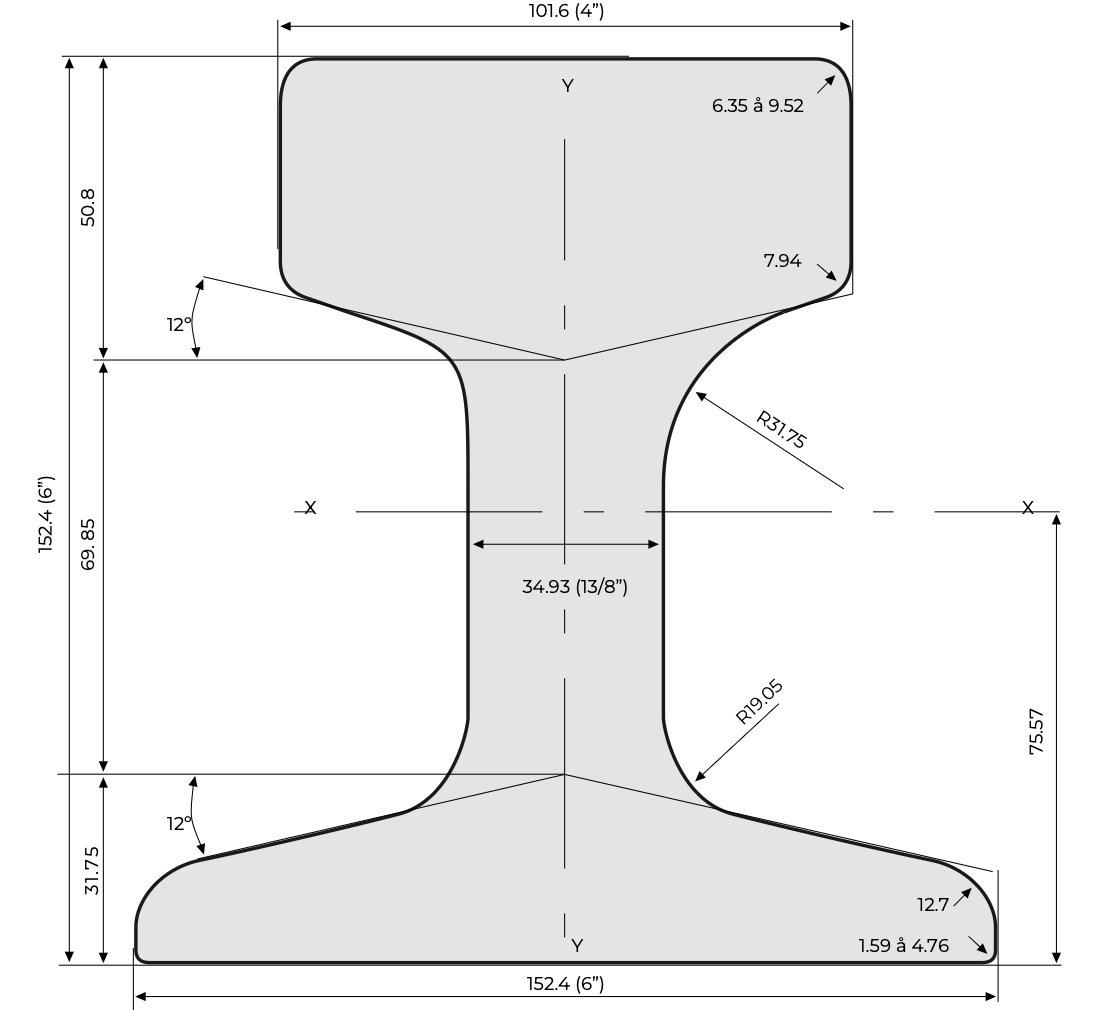
MRS87A crane rail, an 86.8 kg/m heavy profile for port cranes, ship unloaders and heavy industrial runways. Known as the 6 x 6 inch section.
View MRS87A →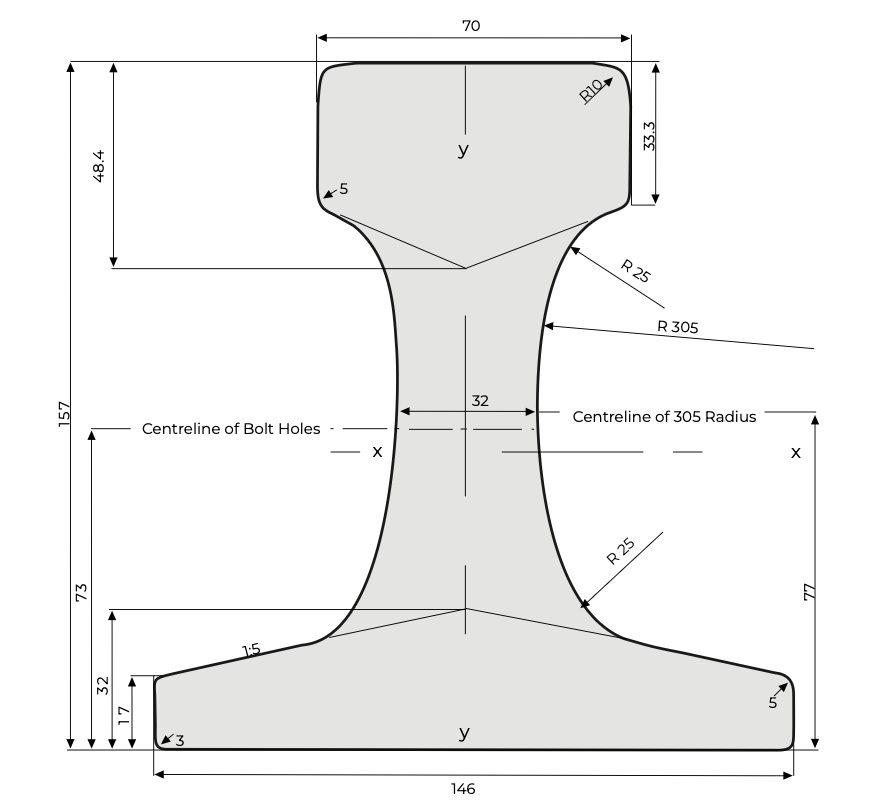
MRS73 crane rail, a 73.63 kg/m heavy profile for stacker reclaimers, ship loaders and heavy port and mining runways. Known as 73kg crane rail.
View MRS73 →What is Crane Rail?
Crane rail is a heavy-duty steel rail profile designed specifically to support the movement of overhead cranes, gantry cranes and other rail-mounted lifting systems. Unlike standard track rail, crane rail features a unique wide head geometry engineered for crane wheel contact, distributing concentrated loads across a wider contact area and reducing stress in both the rail and supporting structure.
DIN 536 is the international standard for crane rail. Profile selection is based on the crane's wheel load, duty class and runway design. The correct profile, correctly installed with matching fastening components, is critical to the long-term performance and safety of the crane system.
- Ports and container terminals: ship-to-shore cranes, straddle carriers, container handling
- Overhead crane runways: single and double girder systems in warehouses and workshops
- Gantry cranes: portal and semi-portal systems in shipyards and fabrication yards
- Heavy industry: high-load crane runways in demanding industrial facilities
- Infrastructure projects: bridge cranes and specialised rail-mounted equipment
How to Select the Right Profile
Crane Rail Profile Comparison
Dimensions and typical duty for each profile in the range. DIN 536 A-series dimensions are defined by the standard and consistent across compliant manufacturers.
Other crane rail profiles available on request. Contact us with your requirements.
Crane Rail Is Part of a System
Crane rail is rarely selected in isolation. Depending on the project you'll also need clips, fishplates, sole plates, pads and fastening hardware. We can supply the full system matched to your rail profile.
Crane Rail Clips
Bolted and welded clips matched to your rail profile. M71, M120, M165 welded series and CL/CLX bolted range.
Fishplates
Crane rail fishplates for secure rail jointing. Standard and AS1085.2 compliant. Transition fishplates available.
Sole Plates
Custom-fabricated sole plates drilled to your bolt pattern. Suits A75, A100, A120 and other profiles.
Rail Pads
Steel reinforced, moderate and intermittent crane rail pads. Reduces vibration, noise and rail wear.
Hook Bolts
Crane rail hook bolts for securing rail to channels or beams. Supplied with hex nuts and lock washers.
Cut and Drilled
Rail cut to your specified lengths and drilled to your bolt pattern prior to dispatch from Brisbane or Cairns.
Crane Rail: Common Questions
What is DIN 536 crane rail?
What crane rail profile do I need for my overhead crane?
What is the difference between crane rail and standard rail?
What is CR73 crane rail?
Can crane rail be supplied with matching clips and fastening components?
Can Inform Rail help with replacement crane rail?
How much does crane rail cost?
Need Crane Rail for Your Project?
Send us your profile, drawings or project details and we'll come back with a practical supply option, fast.