
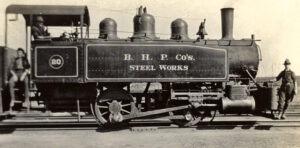
47kg and 53kg Rail in Australia: From Imperial Roots to Modern Networks
If you work in Australian railway engineering, maintenance, or procurement, the designations 47kg and 53kg are immediately familiar — not just as dimensions, but as historical markers. These two mid-weight rail profiles, trace a lineage that runs from the imperial steelworks era, through the metrication of the 1970s and 80s, right up to modern network approvals.
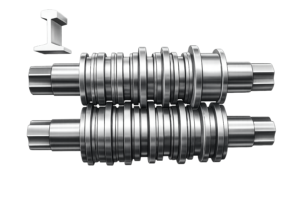
How is rail manufactured? Let’s look at the rail rolling process
Rails are the backbone of every rail network. Designed to carry extreme loads over millions of wheel passes, rail must be manufactured with a high degree of precision to ensure safety, durability and long service life.
From heating and rolling through to straightening and inspection, the rail manufacturing process combines metallurgy, mechanical engineering and strict quality control. This article explains how rail is manufactured, step by step, and why each stage is critical to performance in service.
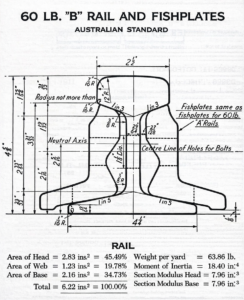
How should I replace BHP 60lb Rail or 31kg Rail?
When maintaining or upgrading industrial tracks, slipways, or crane runways, a major challenge is sourcing replacements for rail sections that are no longer manufactured. This includes BHP 60 lb B rail and the later 31 kg rail profile. Both have been out of production for decades, which means operators today need a reliable, modern alternative.
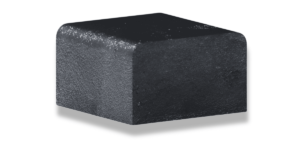
What is Block Rail?
Block Rail, or flat bar crane rail, is a simple yet essential component in crane rail systems throughout Australia. It supports smooth reliable travel for trolleys and overhead cranes in workshops warehouses and industrial facilities.

What you need to know about branded rail clips!
At Inform Rail, we regularly review drawings that specify an existing rail clip, a clip that’s no longer manufactured, or the two classic words: “or equivalent.”
But what does it really mean for you when pricing a project, replacing rail clips or designing a new system?
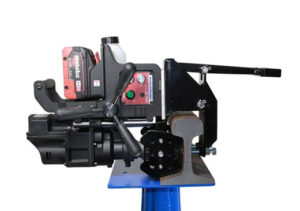
Rail Drill: Saved the day for Inform Rail
Just before shipping a rail product, Inform Rail received a last-minute request from a customer: could the rail be drilled before dispatch? Normally, cutting and drilling are handled by trusted partners, but this time there was no time to waste. That’s when the portable rail drill stepped up. The team grabbed the PRO NM-360 Cordless Rail Drilling Machine, and it delivered exactly what was needed—clean, accurate holes in hardened rail, right on schedule.
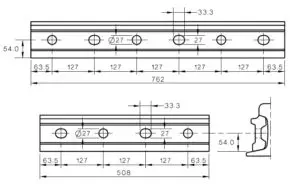
So, what are fishplates?
Fishplates, also known as rail joints or joint bars, are steel components used to connect two rail sections end-to-end. They are bolted to the sides of the rail web and serve several important functions in crane rail and railway systems.

Melbourne Tram Rail: A legacy of local industry and global change
When sourcing crane rail for industrial applications, whether for overhead cranes, port terminals or fabrication yards, understanding where your rail is made is essential. The origin of your rail affects not only quality and compliance but also availability, lead times and long-term performance.

Whyalla’s Origins: Building Australia’s Rail Capacity
Whyalla has long stood at the centre of Australia’s rail infrastructure story. From its early days under BHP to its current role as the nation’s only domestic producer of steel rail, Whyalla’s contribution to crane & rail systems is unmatched in scale, quality, and strategic importance.

Where Is My Rail Made? A Global Guide to Crane Rail Manufacturing
When sourcing crane rail for industrial applications, whether for overhead cranes, port terminals or fabrication yards, understanding where your rail is made is essential. The origin of your rail affects not only quality and compliance but also availability, lead times and long-term performance.
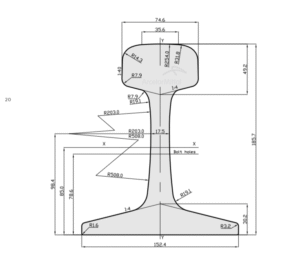
DIN vs AS vs JIS Rail Profiles: What are they?
When sourcing crane rail for industrial applications, whether for overhead cranes, port terminals or fabrication yards, understanding where your rail is made is essential. The origin of your rail affects not only quality and compliance but also availability, lead times and long-term performance.