Melbourne Tram Rail: A legacy of local industry and global change

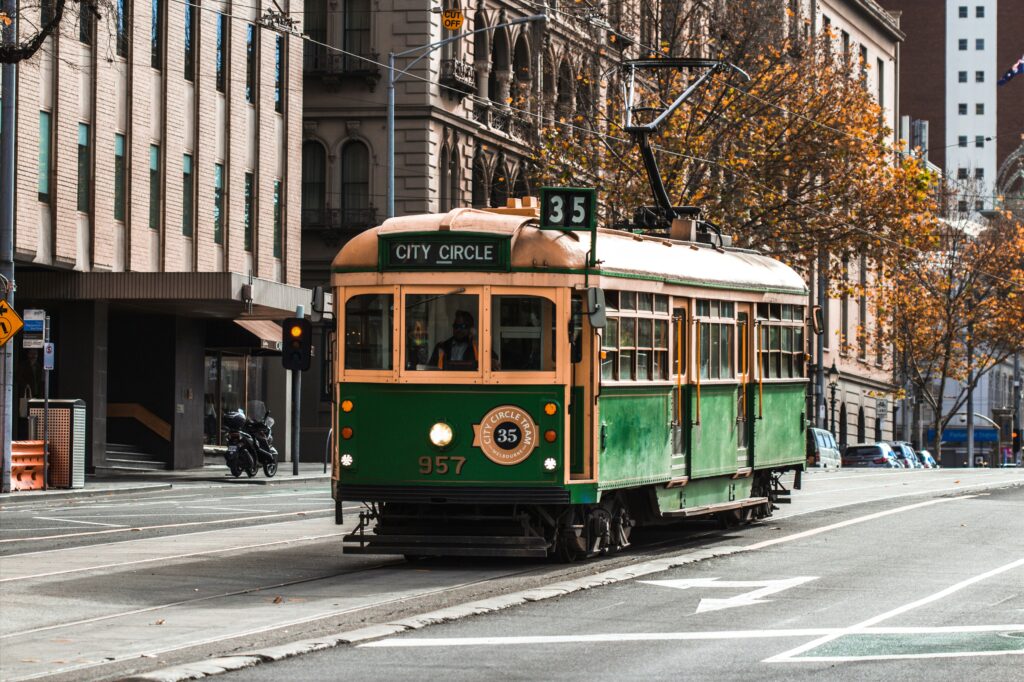
Melbourne’s tram network is the largest operational urban tramway in the world, and its rails have a rich history that reflects the broader story of Australia’s industrial development. From local manufacturing to imported steel to the rise and fall of local grooved rail production, the evolution of tram rail in Melbourne is a testament to both innovation and adaptation. 

The Early Days: Imported Rails for a Growing Network 

When electric tramways were introduced to Australia in the late 19th century, the local steel industry was still in its infancy. As a result, tram rails, like railway line, had to be imported, often from Europe. This included grooved rail, a specialised profile designed to accommodate tram wheels while allowing for a flush surface with the road, essential for street-running trams. 

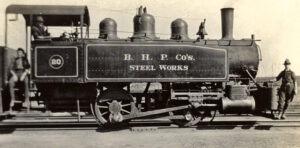
The Hawthorn Tramways Trust (HTT), one of Melbourne’s early tram operators, was a strong advocate for local manufacturing. In the early 20th century, the HTT approached BHP to supply grooved rail for its new Burwood and Wattle Park lines. However, BHP declined the request. The company determined that the cost of machining grooved rail was too high for the relatively small quantities required, especially during wartime when freight and insurance costs were already elevated. As a result, the HTT was forced to continue importing rail. 

Local Production Begins: BHP and the Newcastle Steelworks 

It wasn’t until the establishment of the BHP Newcastle steelworks in 1915 that Australia gained the capacity to roll rail in significant quantities. This marked a turning point for the local rail industry, enabling domestic production of standard rail profiles for both railway and tramway use. 

Eventually, BHP did begin producing grooved tram rail, supporting the expansion and maintenance of Melbourne’s tram network. However, this local supply was short-lived. 

The decline of Tram Rail Manufacturing in Australia 

By the 1950s and 1960s, tram systems across Australia were in decline. Cities like Sydney, Adelaide, and Brisbane dismantled their networks in favour of buses and cars. As the national demand for tram infrastructure shrank, so too did the market for grooved rail. 

Recognising the diminishing commercial viability, BHP made the decision to cease production of grooved tramway rail. The final order was placed in 1970 by the Melbourne and Metropolitan Tramways Board (M&MTB) and the State Electricity Commission of Victoria (SECV). When the Bendigo and Ballarat tram systems closed, the M&MTB acquired the remaining unused grooved rail stock from the SECV to support Melbourne’s ongoing tram operations. 

Legacy and Preservation 

Despite the end of local grooved rail production, Melbourne’s tram network not only survived but thrived. Today, it remains a vital part of the city’s public transport system and a symbol of its urban identity. The legacy of BHP’s involvement in tram rail production is preserved in historical records and in the very tracks that still carry trams through Melbourne’s streets. 

Organisations like the Hawthorn Tram Depot Museum continue to document and celebrate this history, ensuring that the story of Melbourne’s tram rail, and the industries that supported it, is not forgotten. 

Conclusion 

The story of Melbourne tram rail is more than just a tale of steel and infrastructure. It reflects the broader shifts in Australian industry, transportation policy and urban development. From imported beginnings to local innovation and eventual consolidation, the evolution of tram rail in Melbourne is a unique chapter in the nation’s engineering heritage. 

More Posts

rail rollers

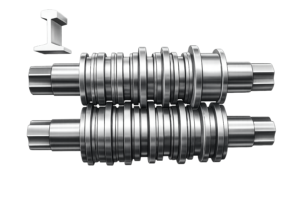
How is rail manufactured? Let’s look at the rail rolling process

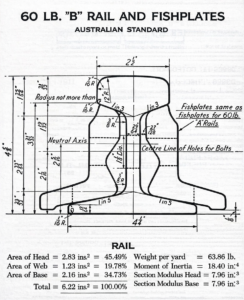
When maintaining or upgrading industrial tracks, slipways, or crane runways, a major challenge is sourcing replacements for rail sections that are no longer manufactured. This includes BHP 60 lb B rail and the later 31 kg rail profile. Both have been out of production for decades, which means operators today need a reliable, modern alternative.
60lb rail

How should I replace BHP 60lb Rail or 31kg Rail?

When maintaining or upgrading industrial tracks, slipways, or crane runways, a major challenge is sourcing replacements for rail sections that are no longer manufactured. This includes BHP 60 lb B rail and the later 31 kg rail profile. Both have been out of production for decades, which means operators today need a reliable, modern alternative.

block rail flat bar rail

What is Block Rail?

Block Rail, or flat bar crane rail, is a simple yet essential component in crane rail systems throughout Australia. It supports smooth reliable travel for trolleys and overhead cranes in workshops warehouses and industrial facilities.

Old crane rail clips used for securing crane rails on heavy‑duty industrial tracks

What you need to know about branded rail clips!

At Inform Rail, we regularly review drawings that specify an existing rail clip, a clip that’s no longer manufactured, or the two classic words: “or equivalent.”
But what does it really mean for you when pricing a project, replacing rail clips or designing a new system?

Scroll to Top