
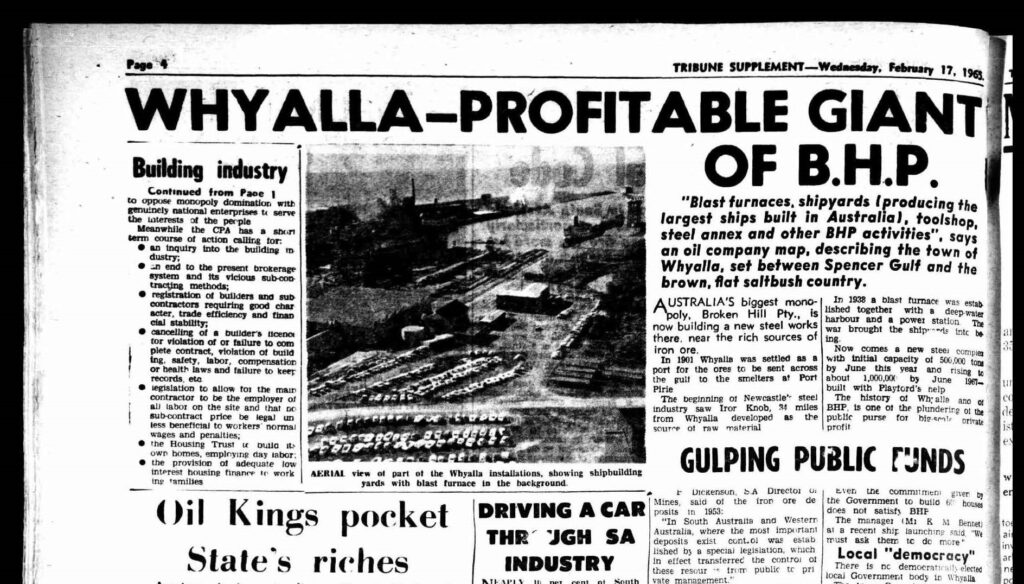
Whyalla’s Origins: Building Australia’s Rail Capability
Whyalla has long stood at the centre of Australia’s rail infrastructure story. From its early days under BHP to its current role as the nation’s only domestic producer of steel rail, Whyalla’s contribution to crane & rail systems is unmatched in scale, quality, and strategic importance.
The foundation of domestic rail production began in 1915 with the BHP Newcastle Steelworks, but it was Whyalla that evolved into the country’s rail manufacturing powerhouse. By the 1970s, BHP’s Whyalla plant had developed head-hardened rail technology to meet the demands of heavy haul mining operations in the Pilbara and coal regions of Queensland and New South Wales.
These rails were engineered to withstand:
- High axle loads
- Intense cyclic fatigue
- Harsh environmental conditions
Whyalla’s head-hardened rail technology was so effective it was licensed internationally, including to American manufacturers, along with proprietary welding techniques.
Whyalla and Crane Rail Systems
Rail systems require precision, durability, and fatigue resistance. Whyalla’s rail products—particularly the Australian Standard 41kg to 68kg profiles—are ideally suited for:
- Overhead crane runways
- Container terminals
- Heavy fabrication yards
- Mining and port infrastructure
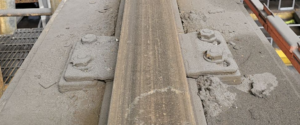
The integration of soft mounting systems, resilient pads, and advanced fastening solutions such as the Wilclip fastener (developed by BHP) further enhances performance by reducing vibration, wear, and fretting corrosion.
Sovereign Supply: Whyalla’s Strategic Role
Today, Whyalla is one of only two steelworks remaining in Australia and the only domestic producer of steel rail. It supplies:
- 75% of Australia’s structural steel
- Unique rail profiles manufactured to Australian standards
- Critical infrastructure for mining, freight, passenger and crane rail systems
There is no alternative domestic source for Australian-standard rail. If you are sourcing crane rail in Australia, Whyalla is the only supplier capable of meeting national specifications with local production. This ensures:
- Reduced lead times
- Proven performance in Australian conditions
- Compliance with AS standards and compatibility with DIN and JIS profiles
Why This Matters for Crane Rail Buyers
Whether you’re installing a new crane runway or upgrading an aging system, Whyalla rail offers unmatched reliability, fatigue resistance, and long-term value. Its legacy is embedded in the very tracks that support Australia’s industrial economy.
More Posts

What you need to know about branded rail clips!
At Inform Rail, we regularly review drawings that specify an existing rail clip, a clip that’s no longer manufactured, or the two classic words: “or equivalent.”
But what does it really mean for you when pricing a project, replacing rail clips or designing a new system?
Rail Drill: Saved the day for Inform Rail
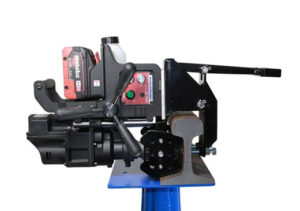
Just before shipping a rail product, Inform Rail received a last-minute request from a customer: could the rail be drilled before dispatch? Normally, cutting and drilling are handled by trusted partners, but this time there was no time to waste. That’s when the portable rail drill stepped up. The team grabbed the PRO NM-360 Cordless Rail Drilling Machine, and it delivered exactly what was needed—clean, accurate holes in hardened rail, right on schedule.
So, what are fishplates?
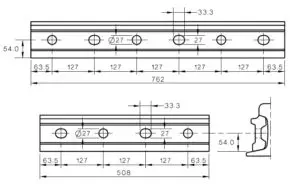
Fishplates, also known as rail joints or joint bars, are steel components used to connect two rail sections end-to-end. They are bolted to the sides of the rail web and serve several important functions in crane rail and railway systems.

Melbourne Tram Rail: A legacy of local industry and global change
When sourcing crane rail for industrial applications, whether for overhead cranes, port terminals or fabrication yards, understanding where your rail is made is essential. The origin of your rail affects not only quality and compliance but also availability, lead times and long-term performance.
